What is ChatGPT?
ChatGPT is OpenAI's conversational AI product. It can help explain information, draft and revise writing, work with supplied files, research topics and analyze material. Available tools and access depend on the product configuration and plan.
Editorial assessment
You do not need a perfect prompt to get started. Give ChatGPT the rough notes, explain the job and use the conversation to work toward something you can check.
Editorial assessment of the documented product. This review does not include personal testing notes or benchmark results.
I'd use ChatGPT for work where there is already some material to reason about: an untidy brief, a draft that needs cutting, or a document you need to understand. Tell it who the result is for and what would make the answer useful. That is a better starting point than asking for a generic summary.
The conversation is useful when you keep correcting it. Ask it to show the assumptions, check an answer against the original file, or rewrite the section that missed the point. For research, follow the sources. For code, run it in the actual project. You still need a way to judge whether the result is right.
My concern is how easy a fluent response is to trust. It can leave out an important qualification or make a plausible mistake. I would not use it as the sole basis for a high-stakes decision, and I would check what information I am allowed to upload before adding private work material.
Pros & cons
Pros
- A conversational workflow makes it easy to refine an imperfect first request.
- Can work with supplied text and files instead of only answering broad questions.
- Useful for drafting, explanation and comparing options with clear criteria.
- Web and other tools can add context when they are available.
Cons
- Confident wording can make an incomplete or incorrect answer harder to notice.
- Tool availability and usage access vary by configuration and plan.
- Important conclusions still need checking against the original material.
Key capabilities
Writing and revision
Develop rough notes into a draft and revise it through conversation.
File-based work
Supply material for explanation, summarization or analysis.
Research tools
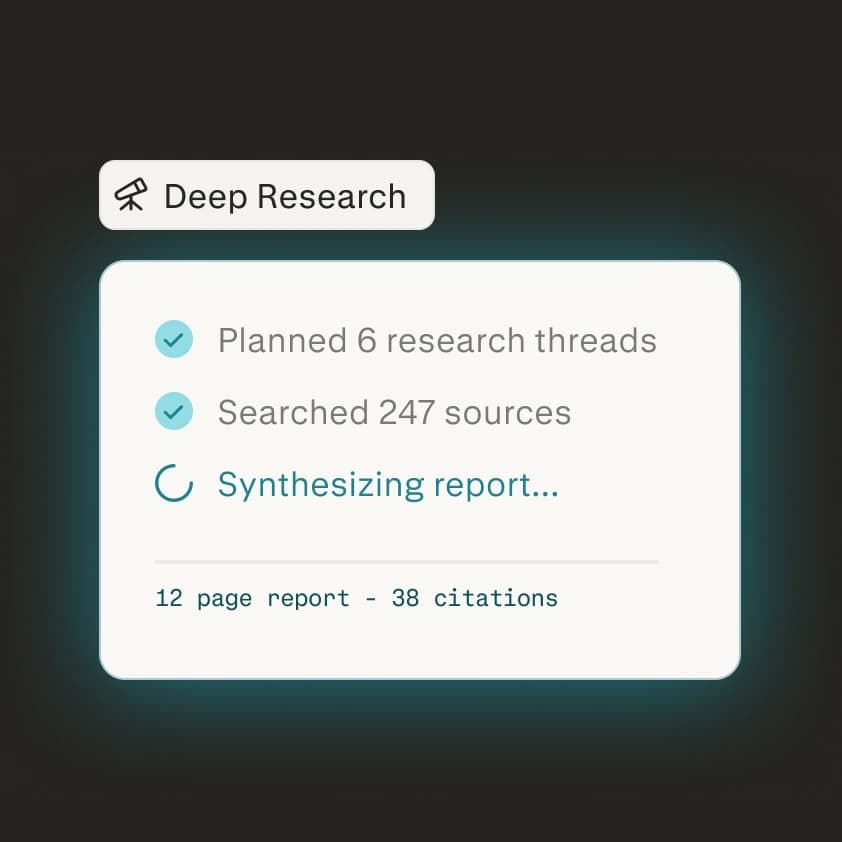
Add web context and inspect the sources behind a research result.
Iterative feedback
Correct assumptions and ask for changes as the task becomes clearer.
Priy's verdict
“I'd keep ChatGPT around for getting unstuck and working through rough material. Give it enough context to be specific and keep a review step appropriate to the task. A useful draft can still need a substantial correction before you use it.”
Best for
- Writers and builders working from rough notes or existing material
- People who want an explanation they can question
- Teams with a clear review process for AI-assisted work
Consider alternatives if
- Anyone needing a guaranteed correct answer without independent checking
- Work involving data they are not permitted to upload

Try ChatGPT
Conversational AI powerhouse for reasoning, writing, coding, and multimodal search